
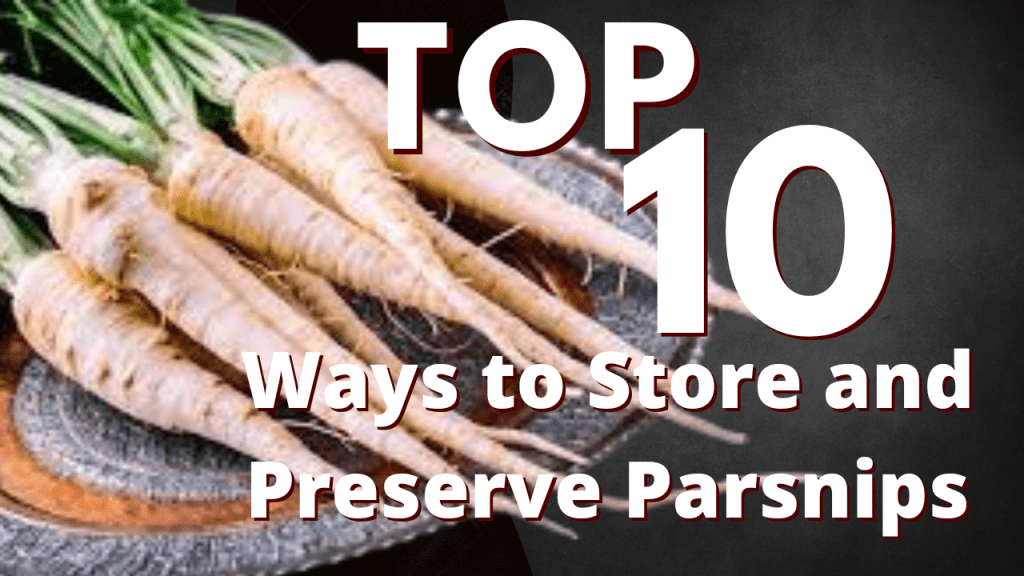
Ah the humble parsnip. A vegetable maligned possibly as much, but in more whispered voices, as brussel sprouts. A love it or hate it vegetable they are a very handy root vegetable which has been known to be badly cooked to the point of mush or over cooked to charcoal causing enough food trauma to small children to put them off for life.
However parsnips when treated with the dignity and respect they deserve are in my opinion one of the yummiest, sweetest and (for me) adored vegetable of all of them. Roasted, steamed, grilled, mashed, coated in gravy, rolled in butter, turned into earthy wonderful comforting soups, added to stews and made into vegetable dishes of all varieties. Parsnips are as versatile as potatoes, with the sweetness of carrots, and a texture that if treated properly can rival the best of sweet potatoes.
Here in the UK this year the capped price the supermarkets are doing for Christmas Veg from the 18th of this month is 19p for 500g. That means for the 95p you can pick up 2.5Kgs. The price normally ranging from 55p-67p for the same size bag this one is definately worth stocking up on. Which means we need to be able to store them and preserve them properly so we don’t waste our money.
1. STORING FRESH PARSNIPS

Storing your parsnips fresh is probably the cheapest, easiest and least time consuming way to keep them. It does mean you have to wash them and peel them (if you want to), before preparing them and coming up with cooking something at the time, but for the most part I would hazard a guess at this being most people’s prefered storing method.
Like carrots, parsnips can be stored in boxes layered with sand or saw dust for months in a shed or cold dark cupboard. They are just as happy in a basement or cellar or even root cellar in baskets made or wicker, wood or wire or even old plastic laundry baskets. If none of those work for you then in a cardboard box in the coldest part of the house.
In the fridge they need to be in the crisper drawer lined with kitchen roll or a clean tea towel. There they will keep for a good 2-3 weeks. Until you are ready to use them and maybe try some of the other following methods of preserving them.
2. FREEZING PARSNIPS

It’s A Veg World After All – https://itsavegworldafterall.com/how-to-freeze-parsnips/
Like most vegetables freezing parsnips takes a little work. It is entirely up to you if you peel them or not. I prefer to peel them rather than not. The peels can be used to make soups or as an interesting addition to stocks as a way to sweeten them somewhat.
Choose what shape you wish them to be for what purpose. You may want roasting pieces or ring slices, maybe even dice to add to stews or other dishes. Whatever way you choose you will need to blanche the parsnip pieces first. This needs to be done for 1-2 minutes in boiling water and then plunged into ice cold water to stop the cooking process immediately. Like many vegetables they will continue to cook afterwards if you do not follow this direction leaving you with a mushy product and something that is less than favourable for cooking with later.
Once the parsnips have been blanched and put through the ice bath then they will need to be dried as well as possible. Parsnips are extrememly suseptible to freezer burn and in doing so they end up taking on far too much extra liquid which again can turn them to mush.
Layer them on baking trays and place in the freezer to freeze and once done place in your freezer bags or containers so you can grab a handful when required rather than using a huge lump that has frozen together and cook, as you wish.
I have to admit next to storing fresh this is probably the most popular way to store parsnips. However the next 8 ways are just as useful in their own ways.
3. DEHYDRATING PARSNIPS

Dehydrated parsnips can be used for all manner of recipes and ways. If you turn some into a powder they can be added to muffins and cakes or stock powders. The most useful shapes tend to be diced or sliced for adding to casseroles or soups etc. They can be stored in airtight jars or in vacuum sealed mylar bags for long term storage. Whatever you use them for though this is a good way to keep them for a long term use.
When dehydrating parsnips you have to work through a few different steps.
First off they do need to be peeled. If you don’t peel them they tend to end up a weird texture both dried and rehydrated which is not great to work with or to eat.
The pieces will have to be blanched first – this helps to not turn them a slight brown colour. Although parsnips don’t oxidise quite like potatoes or carrots they will do a little and it is a strange orangey brown colour that turns up around the inner core. Although it is not inedible it jsut doesn’t make the final product look as good.
Once blanched they need to be patted dry, like if you were to freeze them.
The temperature for dehydrating parsnips is slightly higher to carrots and potatoes and is 60C / 140f and they will take slightly longer as well,12-14 hours.
Also remember if you have decided to dehyrate larger pieces they will need to be turned every 3-4 hours for even drying.
4. WATERBATHING PARSNIPS
Ok so in my vast amount of research I am yet to find a blog or video covering this. So I will be creating my own next year.
Typically like all non acidic foods that need to be waterbathed. You look to add 1 Tablespoon of white vinegar or lemon juice to the jar and 1 teaspoon of salt. The salt works to raise the temperature of the water inside the jar killing anything that may cause issues later on down the track. Waterbathing will take 2 hours at this point.
You do want to make sure that the jar is filled to the collar and there are no eronious air bubbles in the jar.
Make sure to keep the water topped up over the canning time and only ever put a cold jar into cold water.
There are hundreds of water bath canning books out there so you can do your own research which I very much encourage you to do always when it comes to this kind of thing.
From personal experience this was not my favourite way to store the parsnips. For me it is a texture thing and it jsut didn’t work for me. That being said it could work for you. Don’t be afraid to try a small batch and if you are happy with it do some more.
5. PRESSURE CANNING PARSNIPS
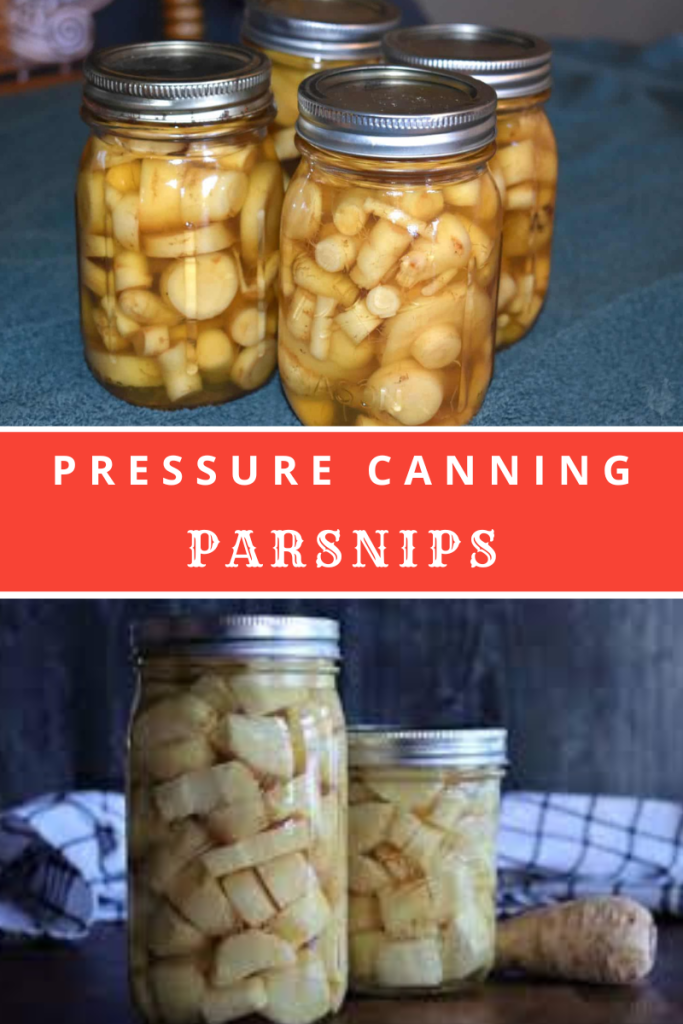
New Life On A Homestead – https://www.newlifeonahomestead.com/how-to-can-parsnips/
I personally do not, will not, shall never, pressure can. I have explained why before and that is my personal choice. I am very aware that those in the US and Canada do this rather alot and that a few people here in the UK do it to.
I would like to point you to the links under the graphic above for proper information on how to do this. I am not in any way qualified to teach anyone about it so go check them out instead if that’s what you wish to do.
That all being said I have friends who pressure can and are happy enough doing so and it is their prefered go to form of preserving food and that is very cool and if I ever have questions they are who I go to. Thankfully they are accepting enough of me and we are adult enough to have good quality grown up conversations that answer my questions and also theirs without mud slinging and it all dissolving into name calling and high school behaviour.
6. PICKLED PARSNIPS
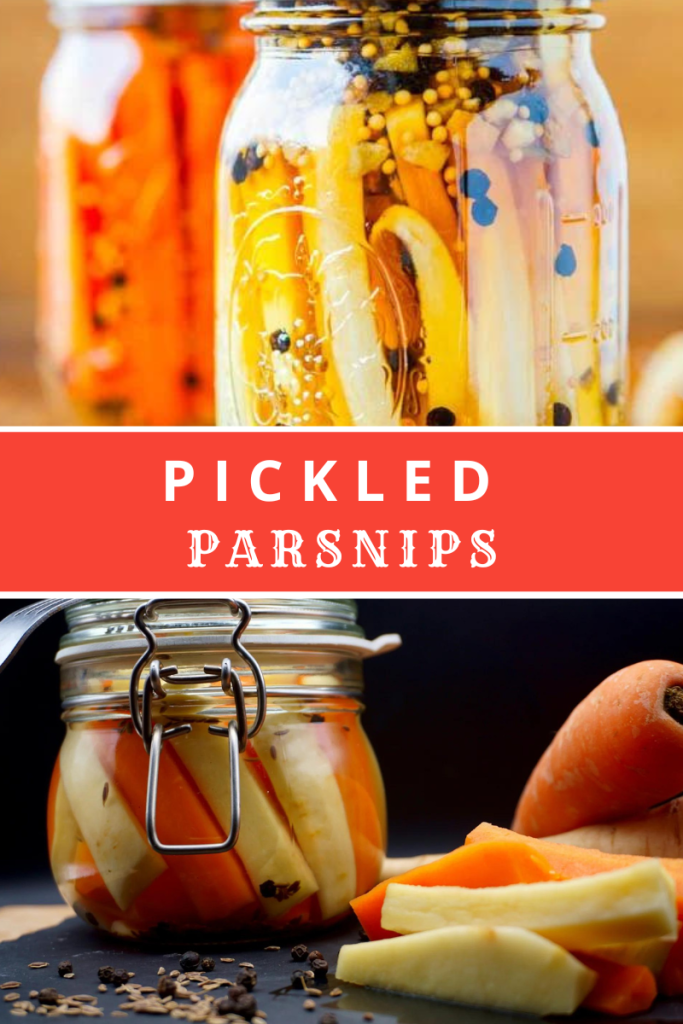
Hillvale – https://www.hillvale.co.uk/blogs/recipes/pickled-carrots-and-parsnips
Pickling is a form of preserving that has been around for millenia and is one of the quickest and most satisfying forms of food preservation in my opinion. I think we have established by now I am a pickle fiend and quite frankly if it’s pickled I will me more than happy eating it.
Root vegetables like parsnips lend themselves well to pickling, as they are strong enough, fiberous enough and sweet enough to add their own flavour enhancement to the pickling process. Due to the level of natural sweetness it helps to offset the tartness and sourness of the vinegar or other pickling acids you use.
Sure they take several weeks to be ready for the most part, depending on the size of the pieces you are pickling. Matchsticks take a couple of days whereas baton sized pieces will take a 3-4 weeks.
I find the joy with pickling is that you can set them and forget them and will stay happily covered in a cool environment for a year and more. making them available for something different to add to meals that need that little bit of a lift.
7. FERMENTED PARSNIPS

Meal Garden – https://www.mealgarden.com/recipe/sauerruben-lacto-fermented-parsnips/
Brenna May – https://brennamay.com/fermented-parsnips-with-lemon-ginger-peppercorns/
Autumn Makes and Does – http://www.autumnmakesanddoes.com/2015/12/16/parsnip-kraut/
Aaahhh fermentation. This has to be next to pickling my bestest favourite way of preserving vegetables. Not only is it great for gut health but they are ready in a couple of days as a minimum and can be used in so many ways to add flavour and texture to other meals. They also for the most part don’t require cooking so can be a very easy grab and go food.
If you are having to worry about the sugars in scertain vegetables then this preservation method can be for you. Fermentation actually changes the natural sugars and uses up many of them during the fermentation process which means you are then able to eat the vegetables with less concern than you may have if you ate them raw or cooked from fresh.
Fermented vegetables can also be cooked. They can be cooked in the same ways you would cook from fresh. They take less time to cook as the fermentation pickling process does to a degree “cook” them. They also add a great flavour to your cooked veg as they have a wonderful almost “salt and vinegar” flavour.
Please check the graphic for links to blogs where I have found some amazing recipes for you to try out.
8. MEALS AND SIDE DISHES

Cooked and Loved – https://www.cookedandloved.com/recipes/spiced-roasted-parsnips/
Girl Gone Gourmet – https://www.girlgonegourmet.com/roasted-parsnip-salad/ BBC Good Food – https://www.bbcgoodfood.com/recipes/collection/christmas-parsnip-recipes
Having side dishes and meals at the ready makes life that much more interesting and simple for so many of us when we are time restrained. Having good meals on hand either in the freezer, fridge, waterbathed or pressure canned makes evening and meal preperation so much simpler.
Many of us are working all the hours we have so having go to meals and side dishes makes all of the difference where we can come home, throw them in the oven and go sort ourselves and the family out by which time it’ll be time for dinner and you will look like a superhero.
One of my go to parsnip favourites is mashed parsnip and carrot, I grew up on it and when I got together with Tanny I found his bestest favourite was carrot and swede/rutabaga. We make both. They are easily frozen and just as easily made from scratch.
Another favourite of mine is just butter roasted parsnips. I add the roasting pieces in a freezer container with butter and fresh thyme and when I need them they go inthe oven covered until they are defrosted and then I take the lid off and cook until they are golden and honestly they are the best thing ever.
Above under the graphic are many options for you to find side dishes for parsnips, most of which can be prepped in advance and frozen for your convenience.
9. PARSNIP SOUPS

Cupful of Kale – https://cupfulofkale.com/roasted-garlic-and-parsnip-soup/
Tesco Real Food – https://realfood.tesco.com/recipes/parsnip-and-apple-soup-with-apple-crisps.html
Parsnip soup has to be one of my favourite things in the world. No two soups ever have to be the same and they just give that hit of instant comfort in the dark cold nights of winter.
Whether you are making soup to store in the fridge for use over the next few days, placing it in the freezer for use over a longer time or waterbathing or pressure canning it. Parsnip soup is one of those meals that is easy to store for long term use to have on hand when something wonderful and warming is needed.
Above under the graphic are some great options for recipes and keep an eye out both here at the blog and on my channel on YouTube for parsnip soup recipes that will be arriving over the next few weeks.
10. PARSNIP CRISPS

The Secret Supper Society – https://thesecretsuppersociety.com/dish-recipe/parnsip-crisps/ Tescos Real Food – https://realfood.tesco.com/recipes/spiced-parsnip-crisps.html
Men’s Health – https://www.menshealth.com/uk/nutrition/recipes/a753368/how-to-make-sweet-potato-and-parsnip-crisps/
Let’s be honest we all have those cravings for something crispy and crunchy and a bit savoury but potato isn’t always the answer especially the store bought varieties of crispy snack foods. Thankfully if you have parsnips in the house you can deal with this situation very well and leave yourself feeling quite happy as well and your craving will have far more healthily been satisfied.
Much like making carrot crisps you can use a vegetable peeler to make ribbons of parsnips for deep frying or baking to that crispy crunchy level. Yes they will keep for a week or two in an air tight container but I have never known them to last that kind of length of time in our house. They tend to evaporate before that with trails of crumbs being found on the guilty culprits clothing or faces.
This is a very good way to use older parsnips if you don’t want to do anything else and can give you a smile on your face to know you haven’t let those parsnips go to waste and you haven’t had to spend more money buying snack foods while you snuggle up on the sofa watching your favourite Christmas movie.
 Bloo's Food